Project 01
Designer's House
Adaptive reuse for Maison Margiela
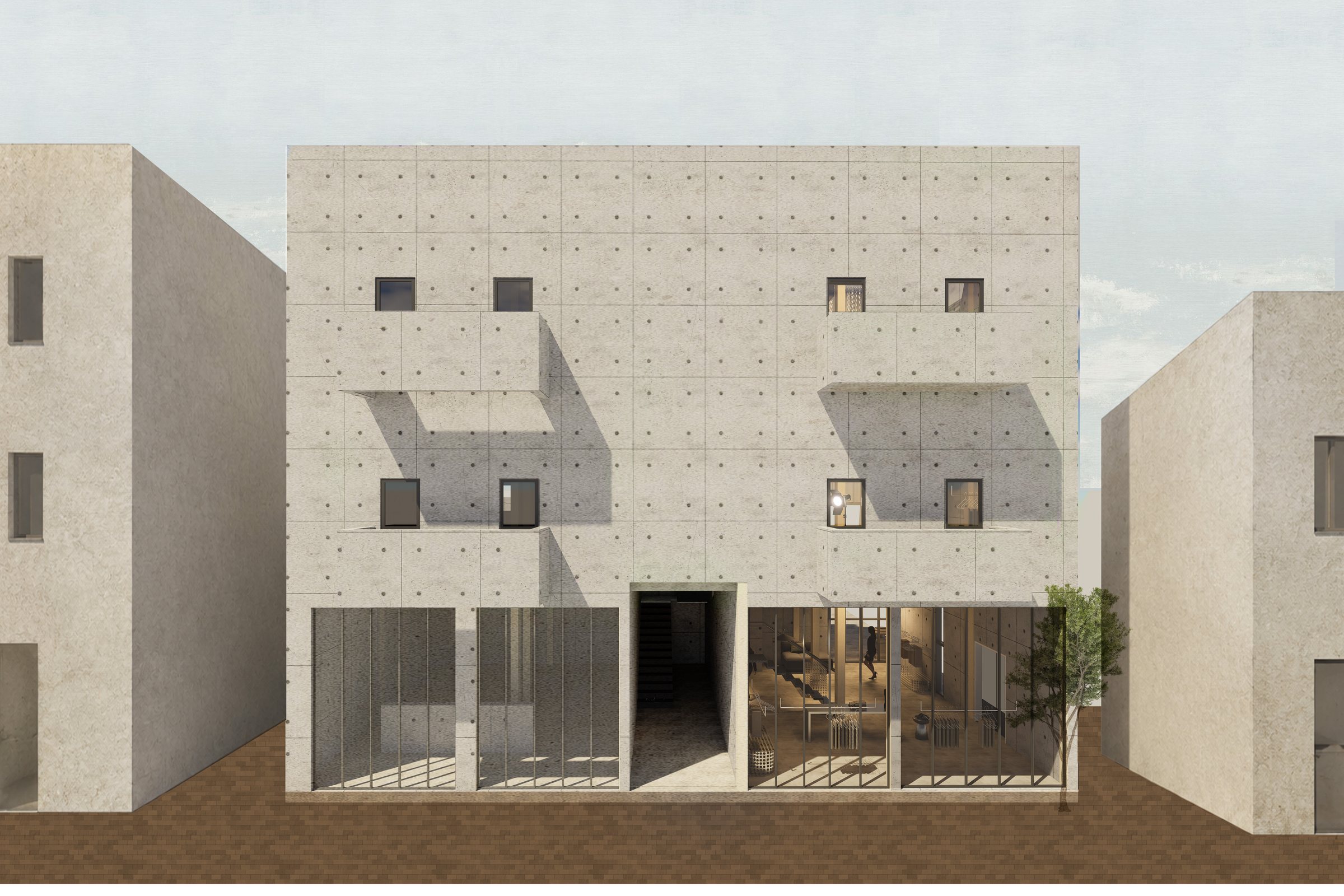
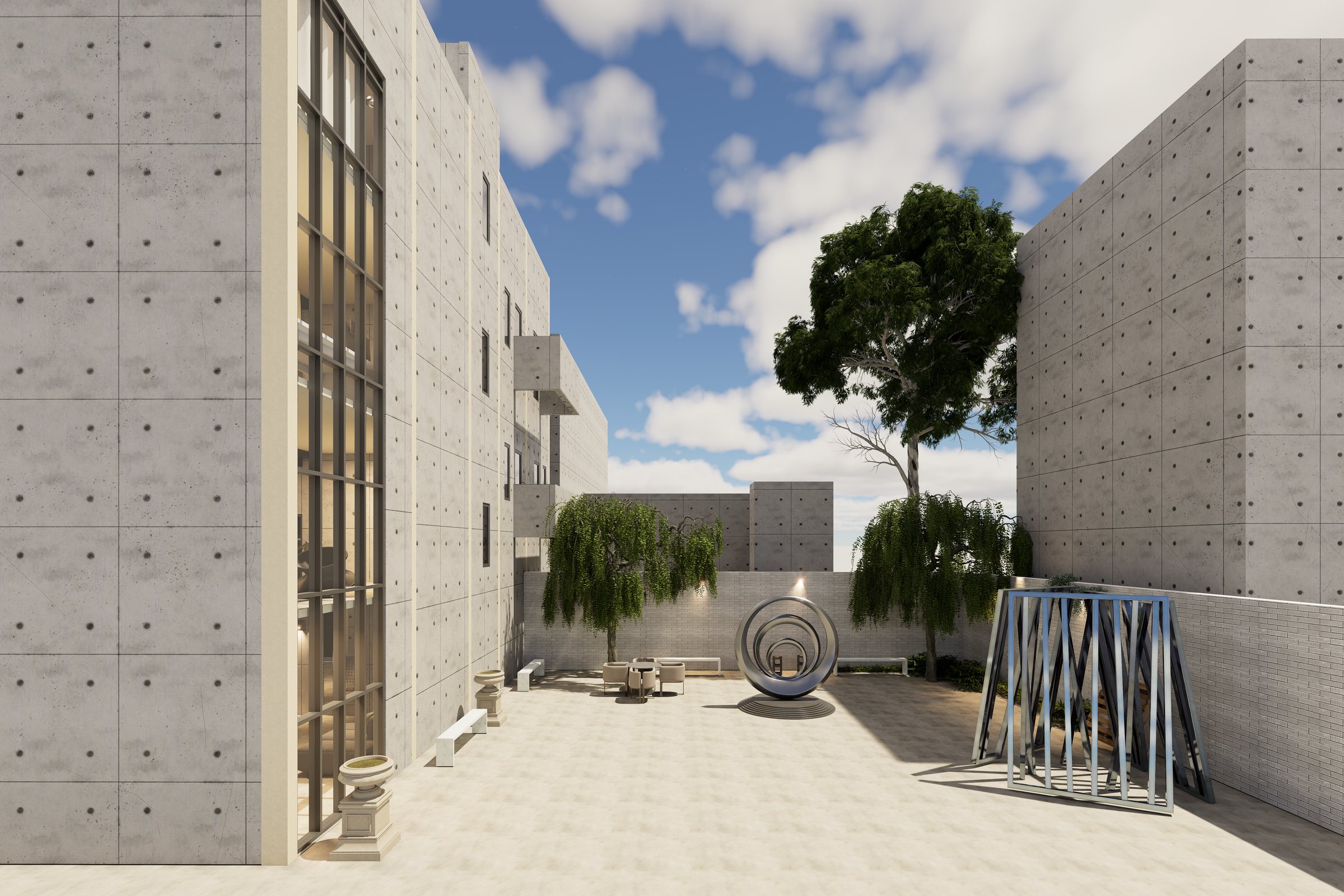
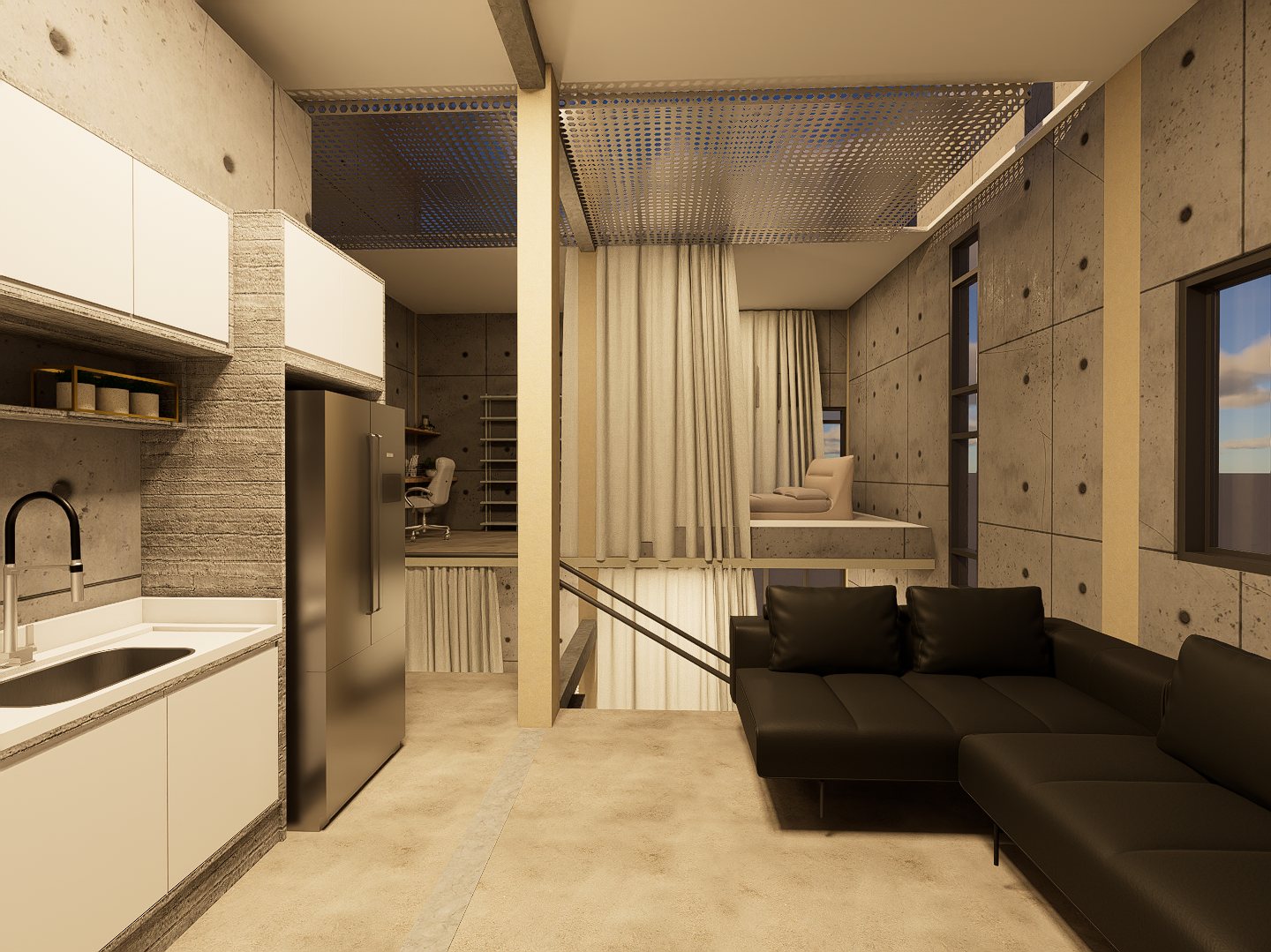
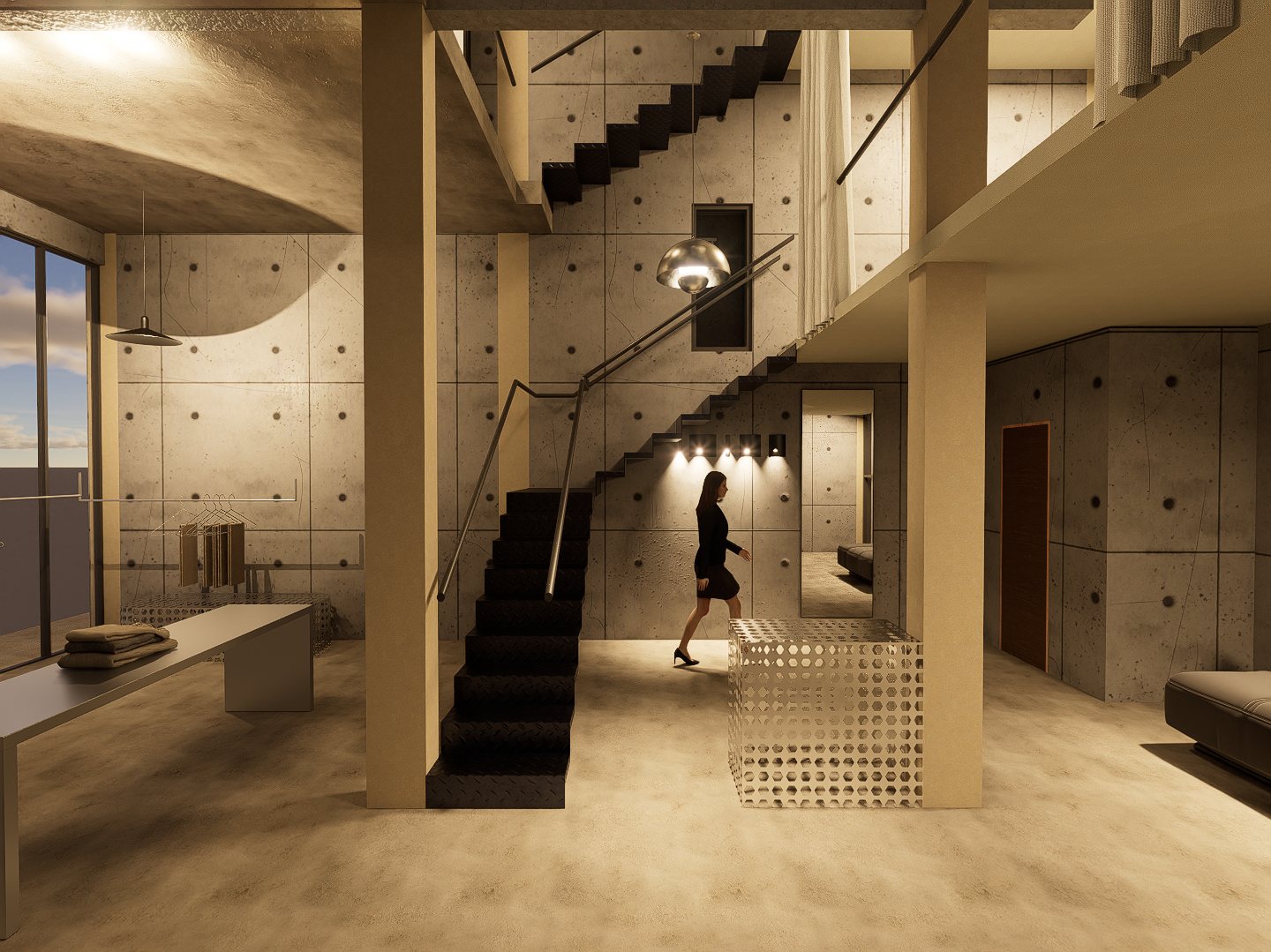
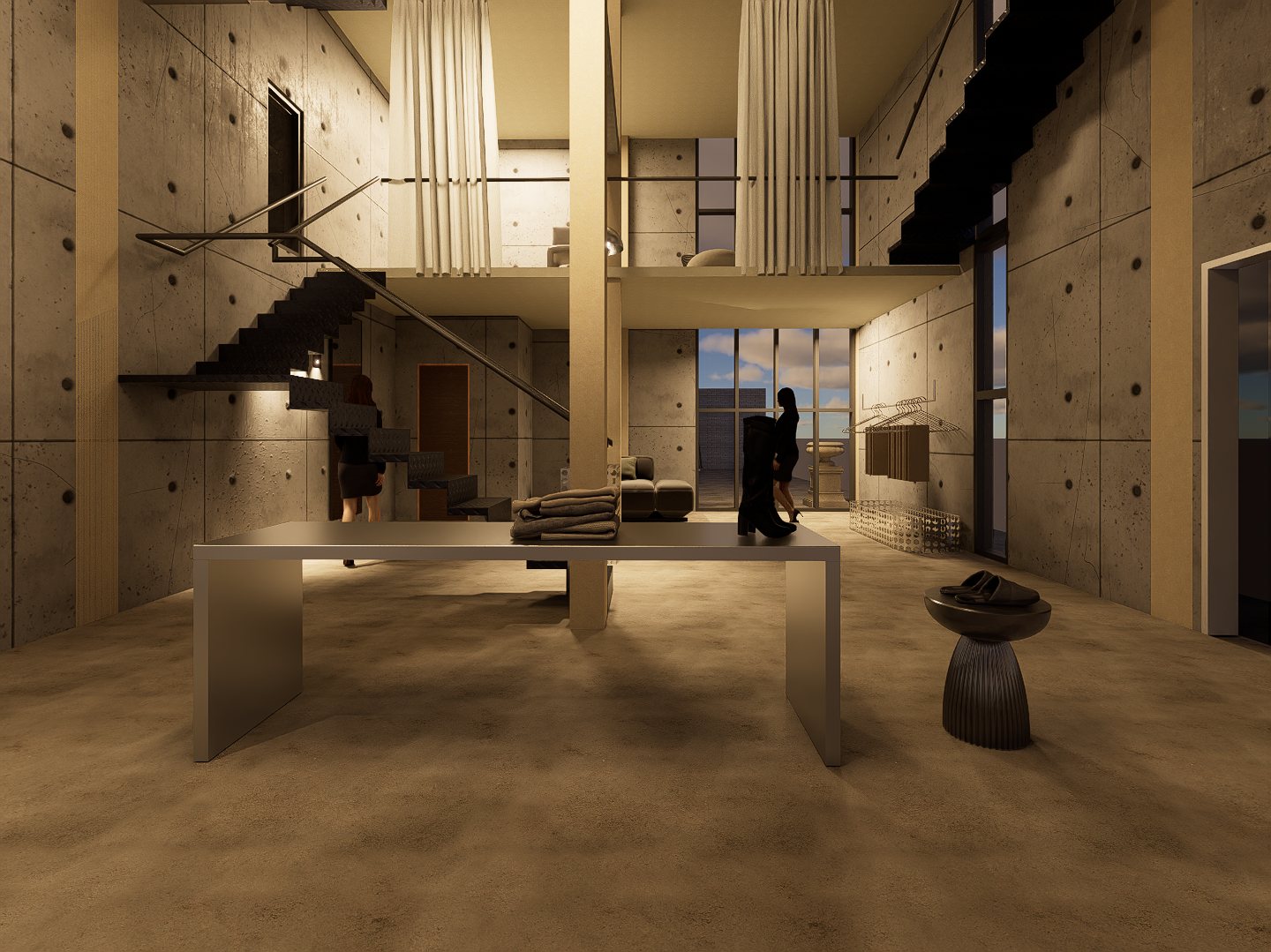
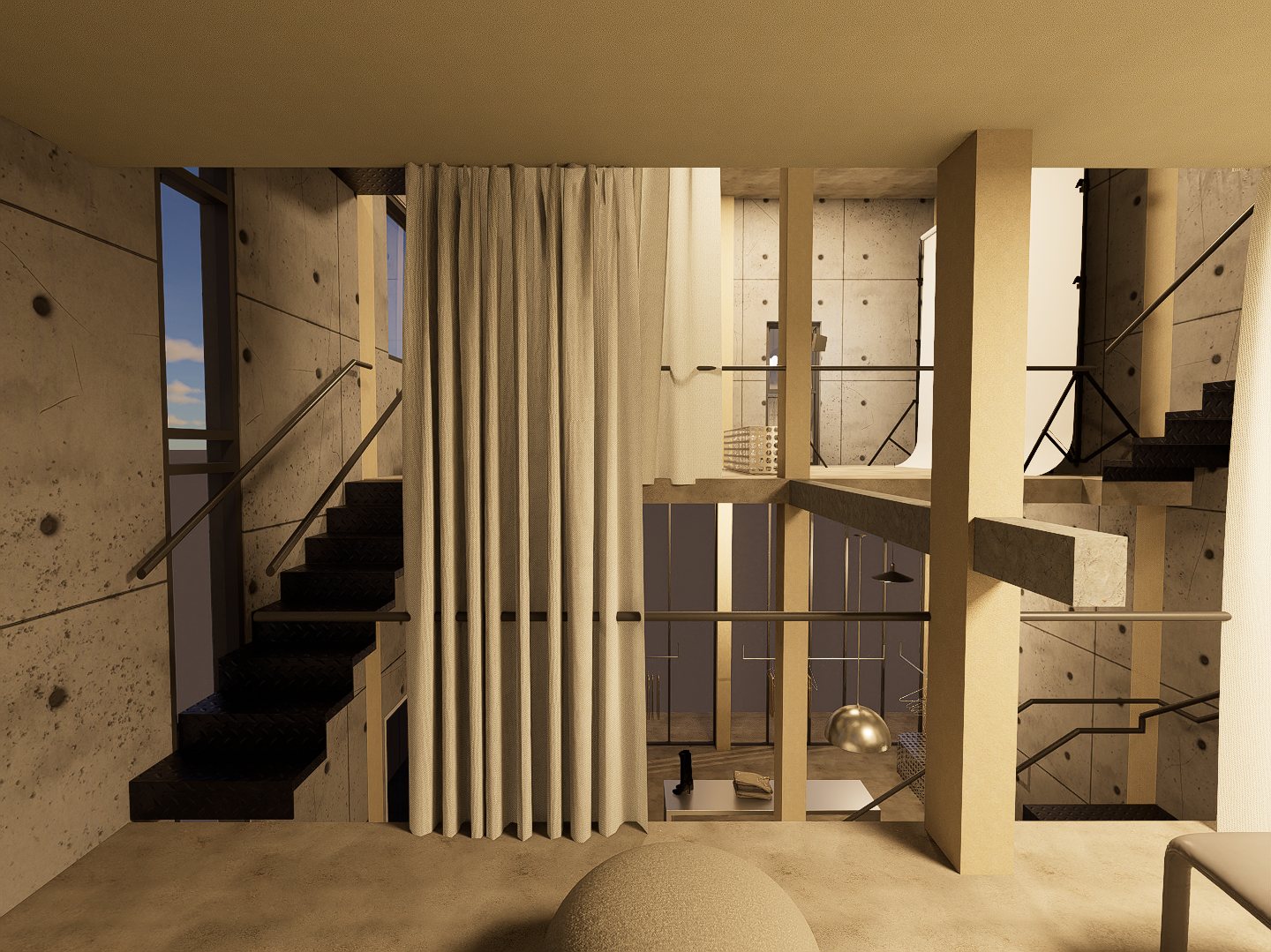
Adaptive reuse of an existing building in the heart of Florentin, Tel Aviv. The project reinterprets the design philosophy of Maison Margiela through space, materiality, and atmosphere. Drawing from concepts of deconstruction, layering, wrapping, and transformation, the design blurs the boundaries between living, working, and exhibiting. Through a monochromatic material palette and a sequence of evolving spatial experiences, the project translates Margiela's experimental approach into an immersive architectural environment.
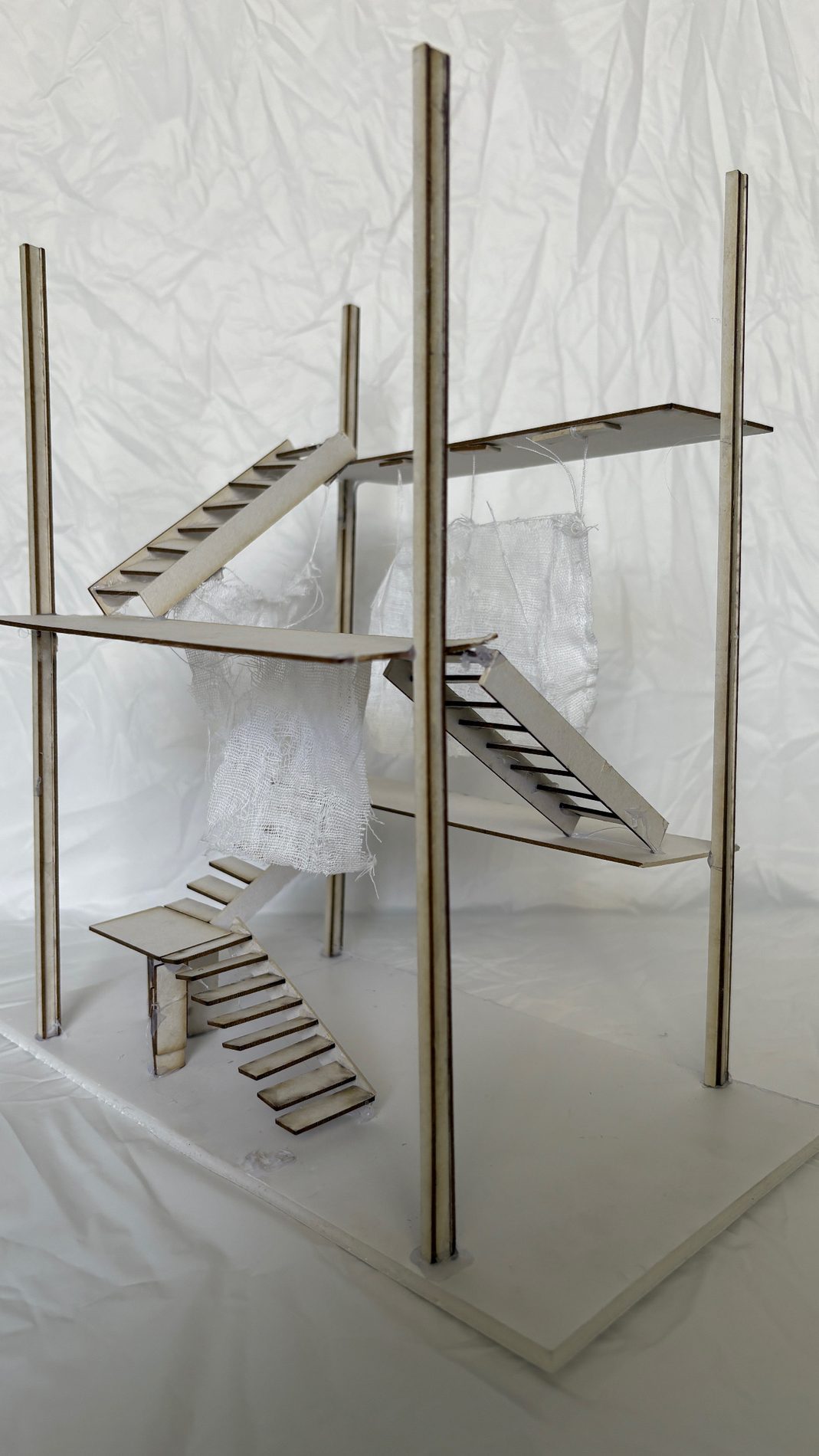
Following the selection of Maison Margiela as the project's design reference, a series of conceptual models were developed around the key themes of deconstruction, layering, and wrapping. These abstract explorations served as an initial investigation into the designer's spatial language, building three-dimensional thinking and a conceptual foundation for the project.
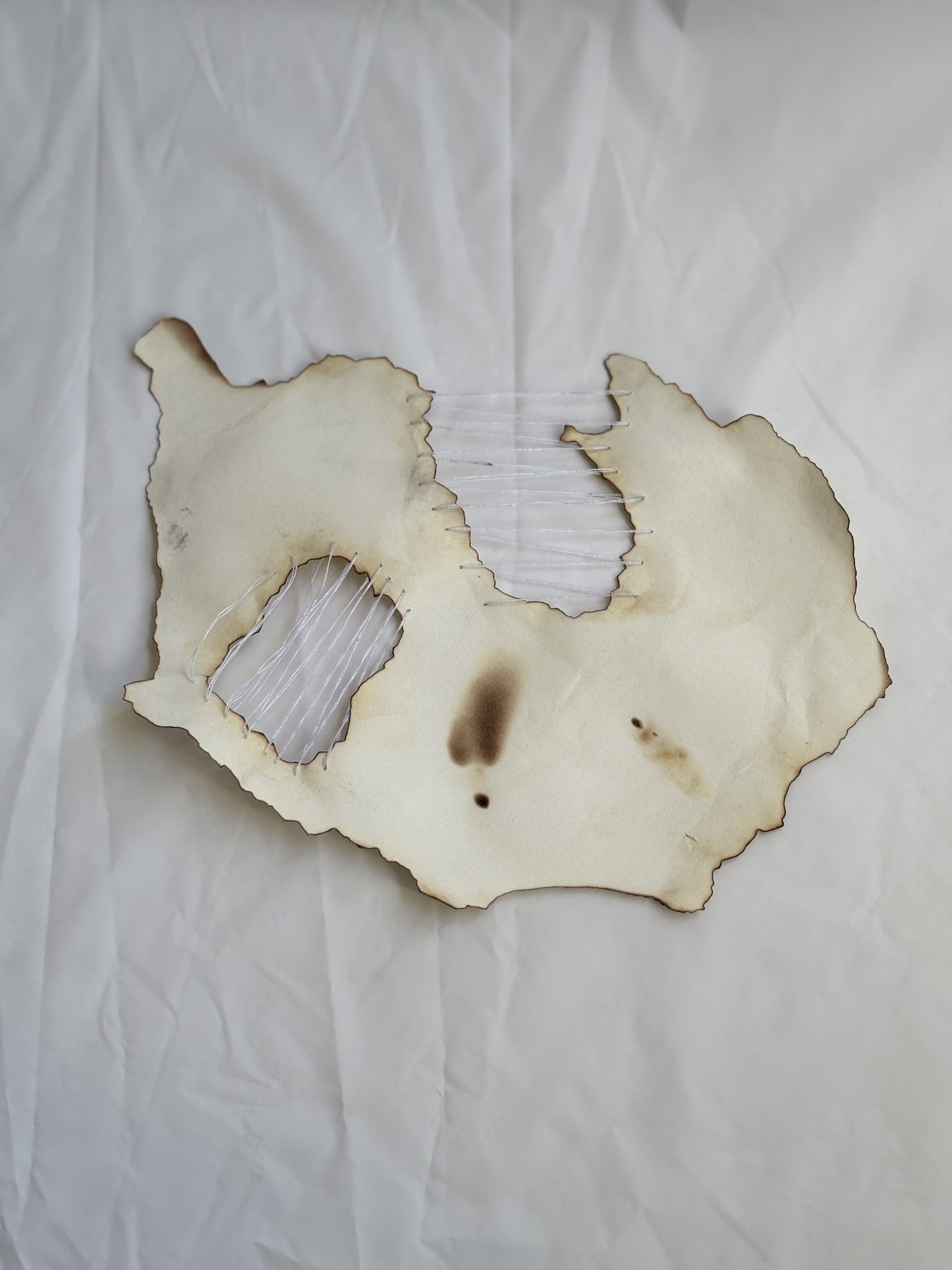
Deconstruction
An exploration of fragmentation, separation, and exposed connections, revealing the relationship between broken elements and the space created between them.
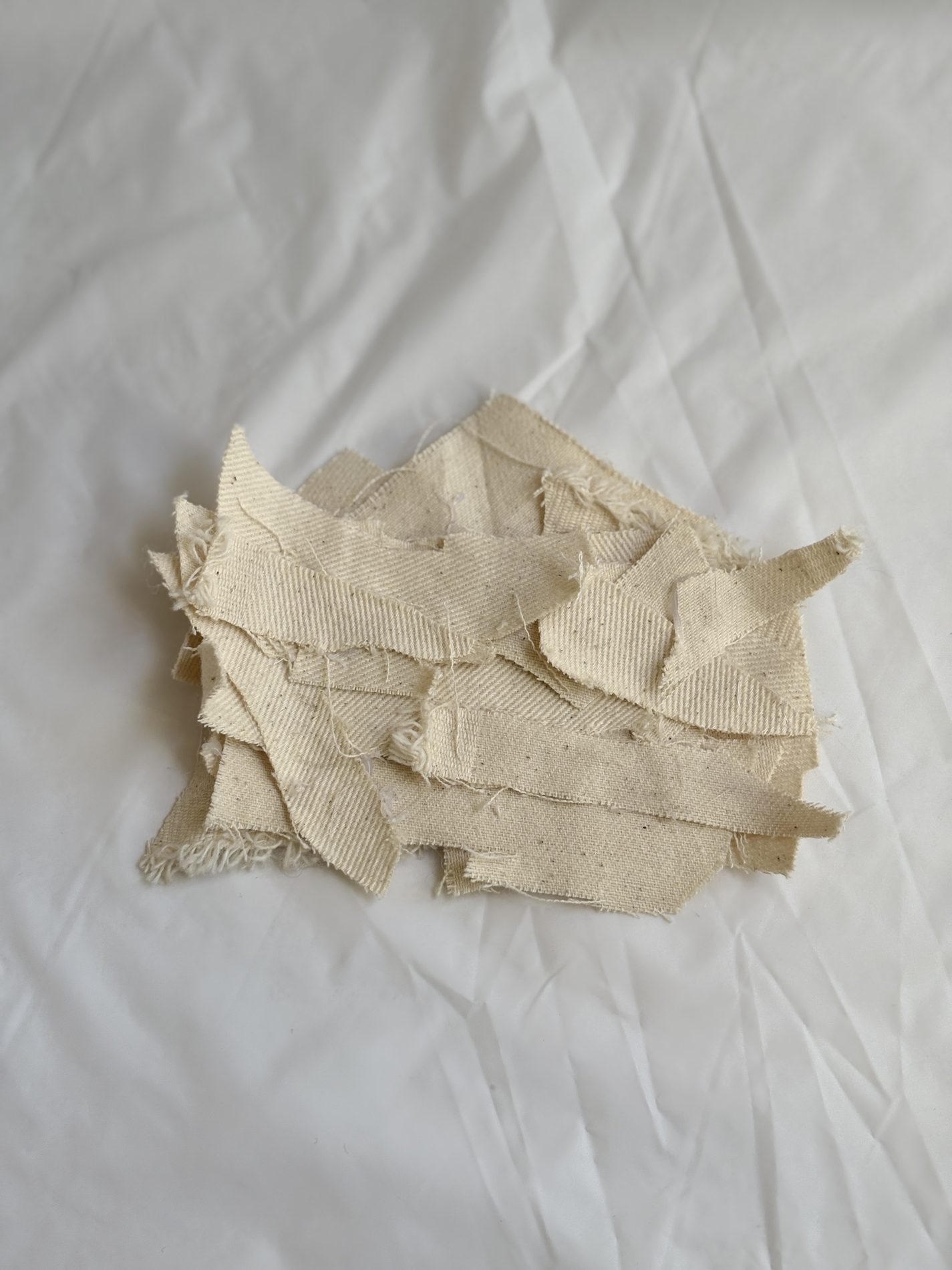
Layering
The model examines how depth, texture, and spatial complexity emerge from the interaction between individual elements.
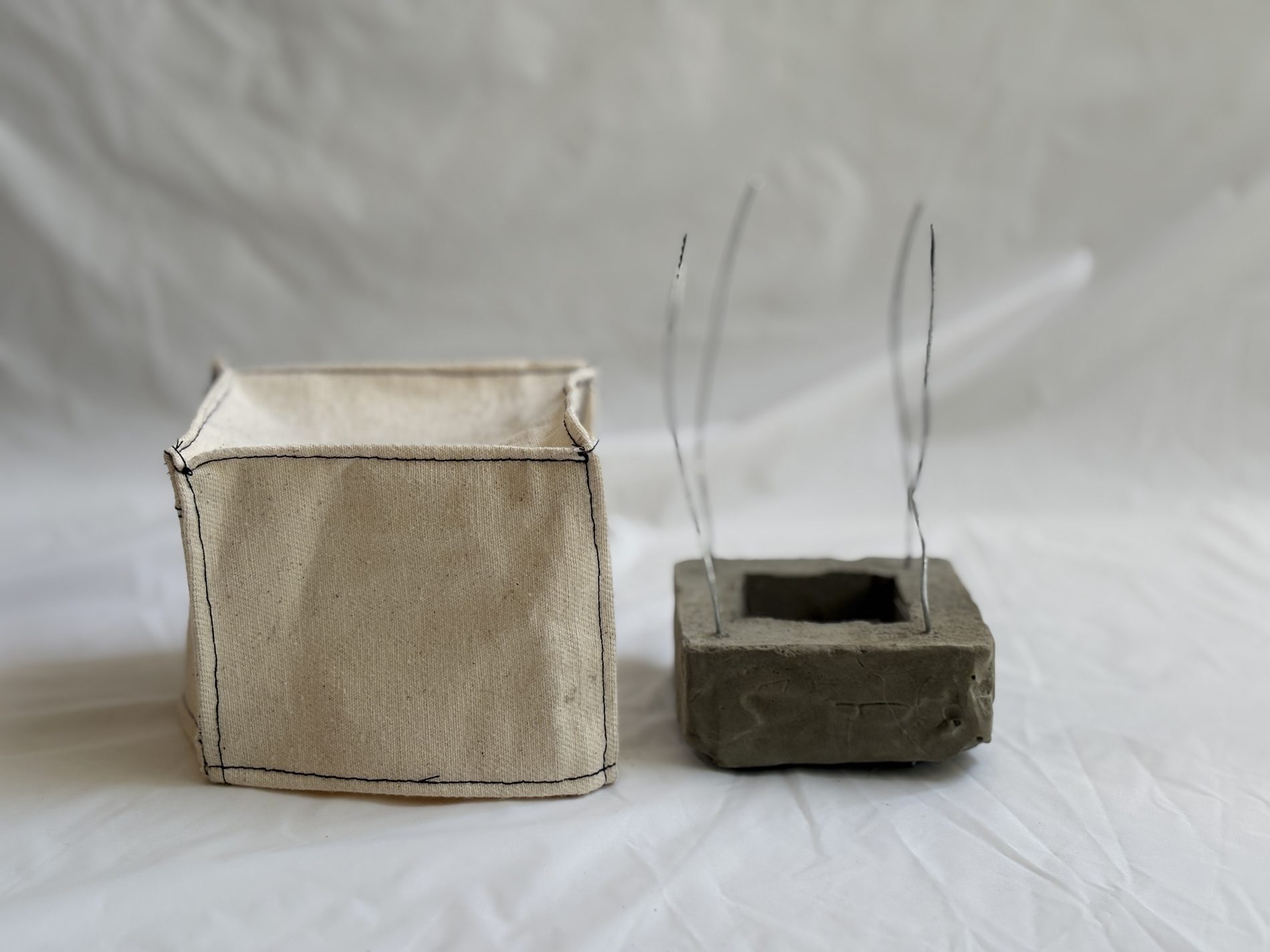
Wrapping
A dialogue between an inner core and its surrounding envelope. Through covering and enclosing, the model examines how boundaries can simultaneously reveal and conceal what lies within.
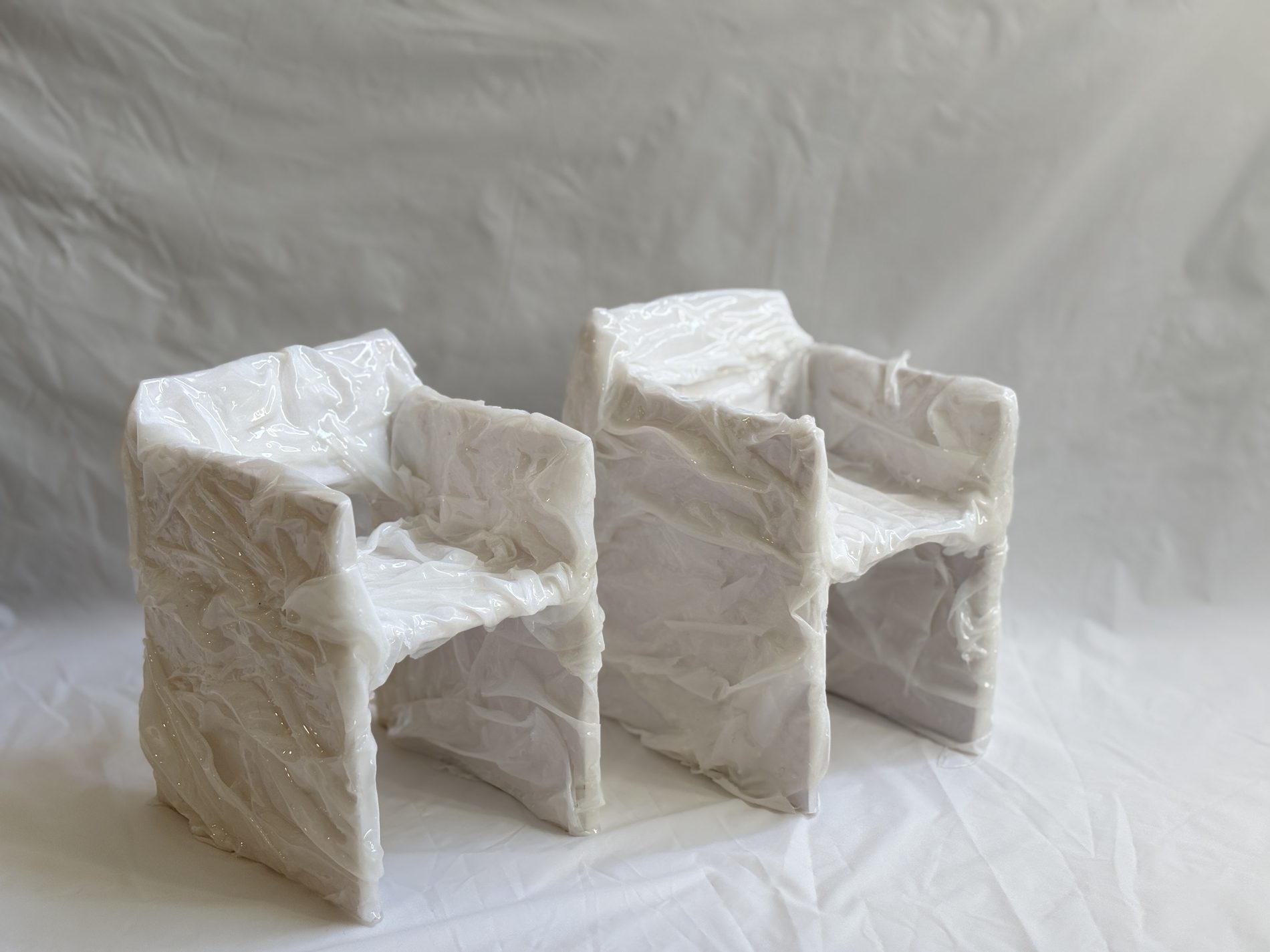
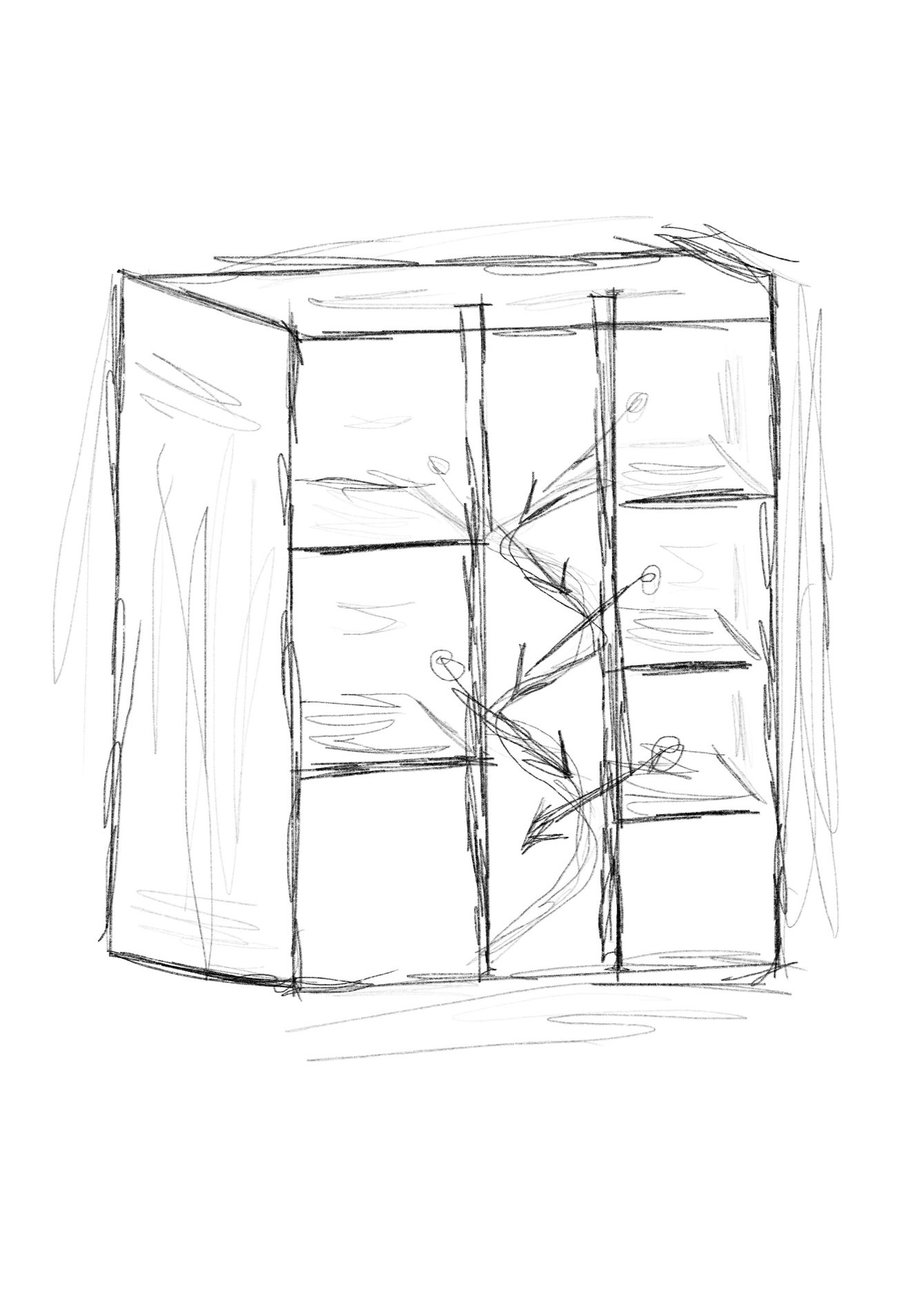
Furniture, the Margiela Chair
The conceptual themes were translated into a three-dimensional furniture piece. A chair was chosen as a familiar, fundamental object, a parallel to Margiela's practice, where experimental collections always sit on a foundation of timeless essentials. Treated as a basic typology and reinterpreted through Margiela's language, the everyday object becomes a spatial expression of the brand's values.
Fashion House
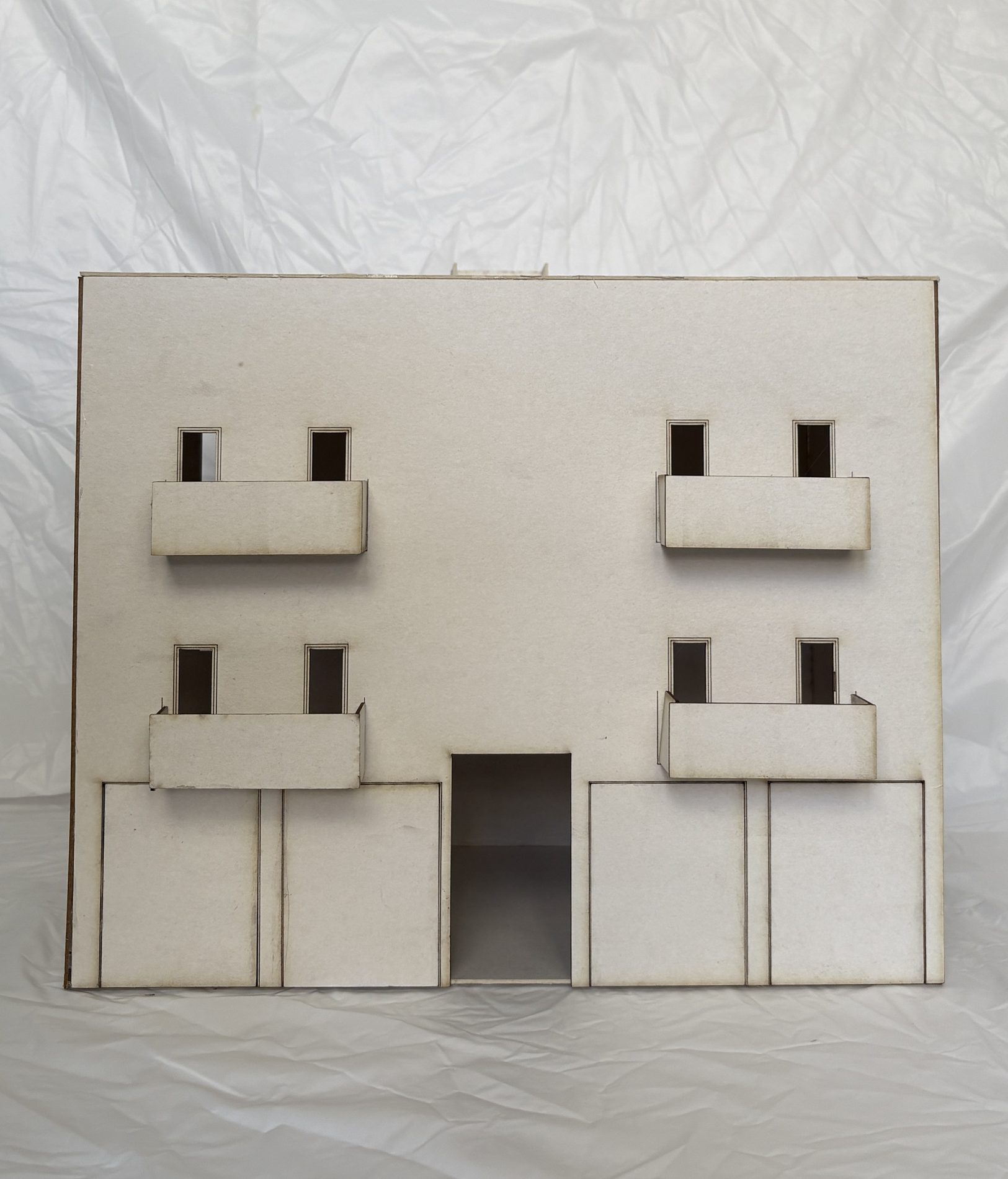
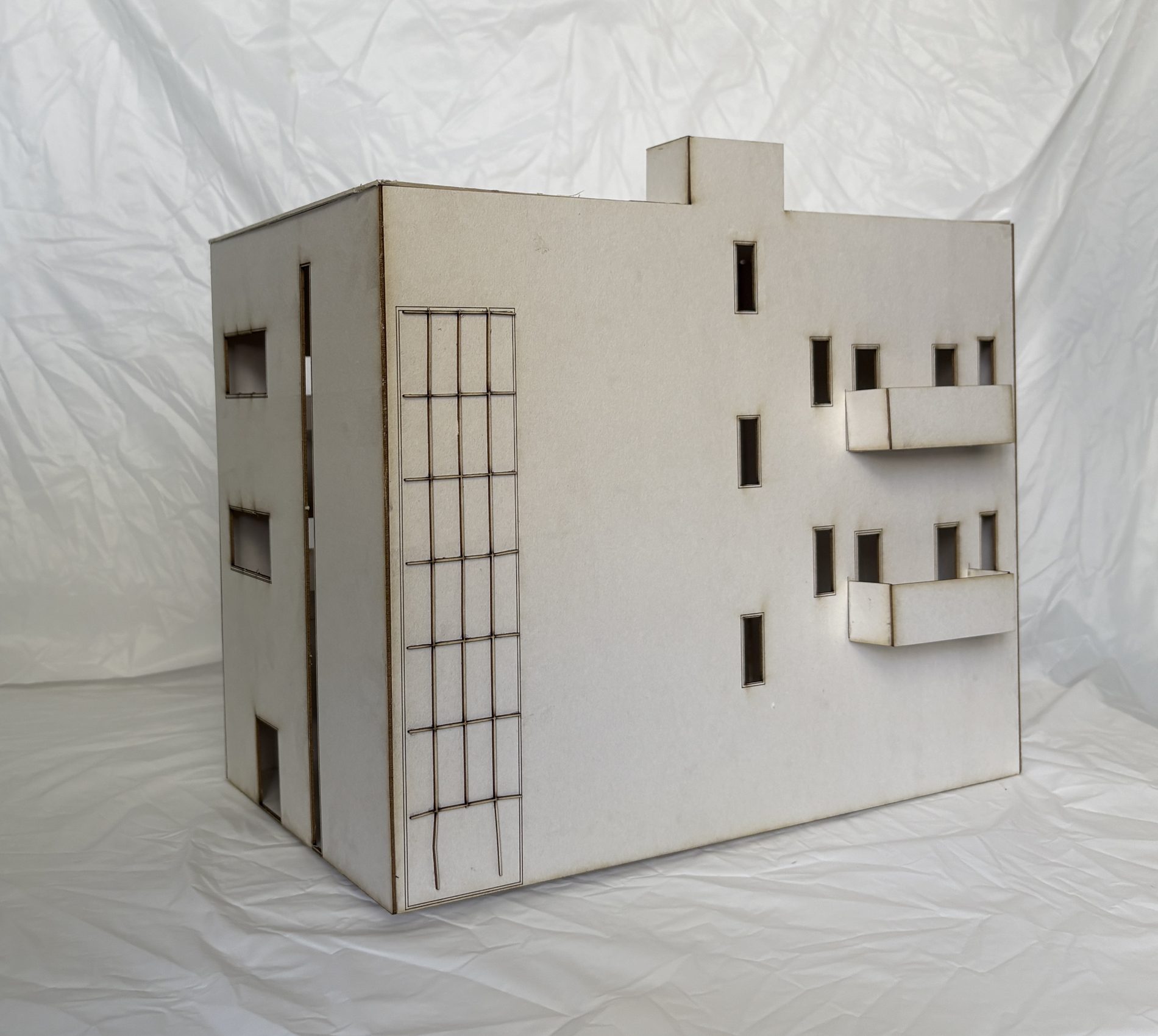
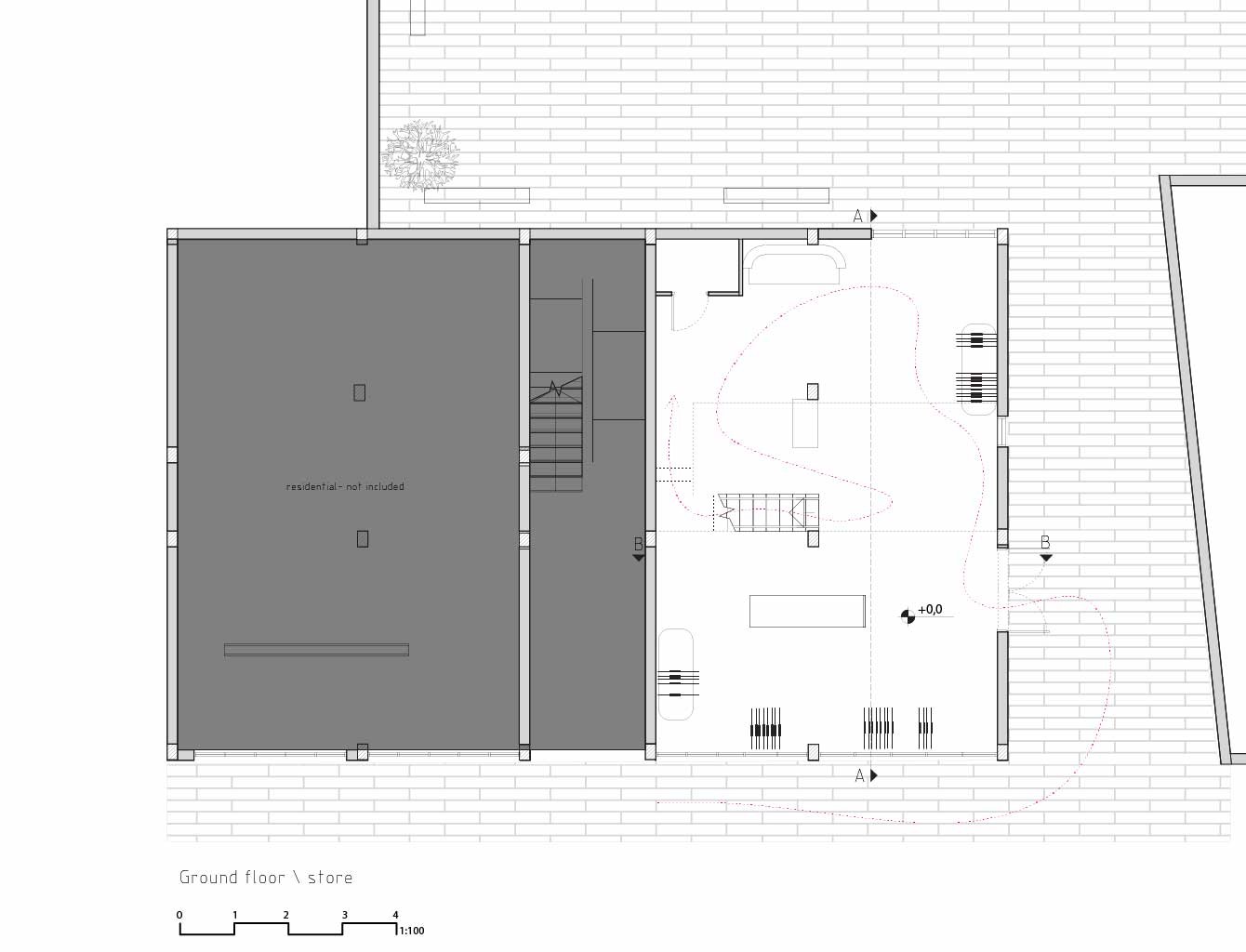
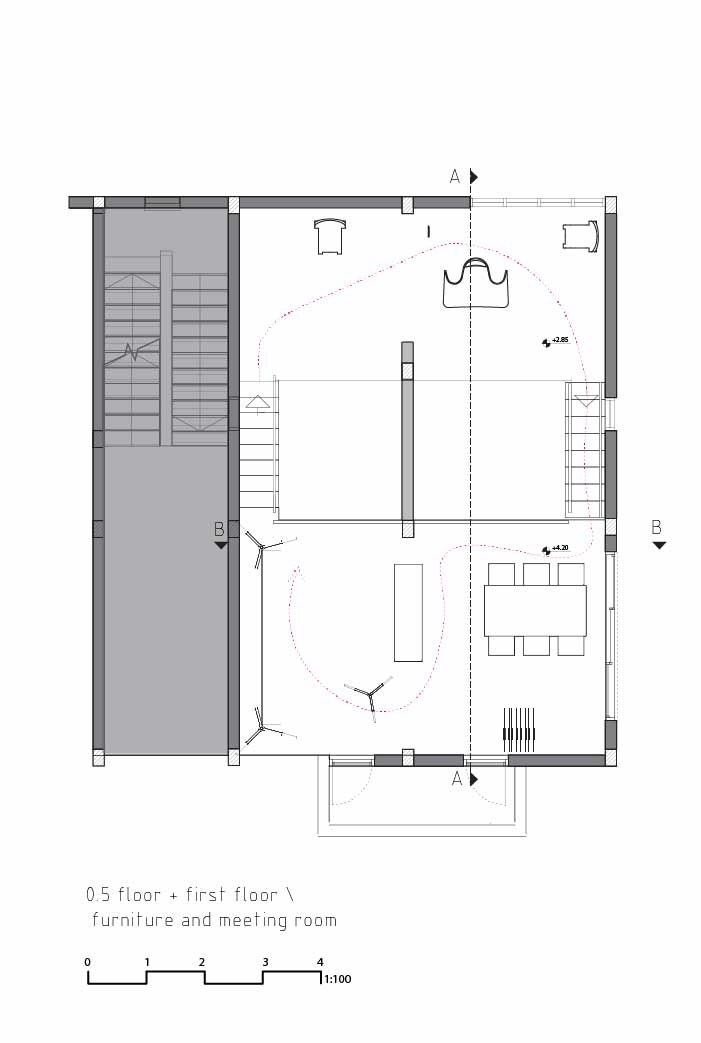
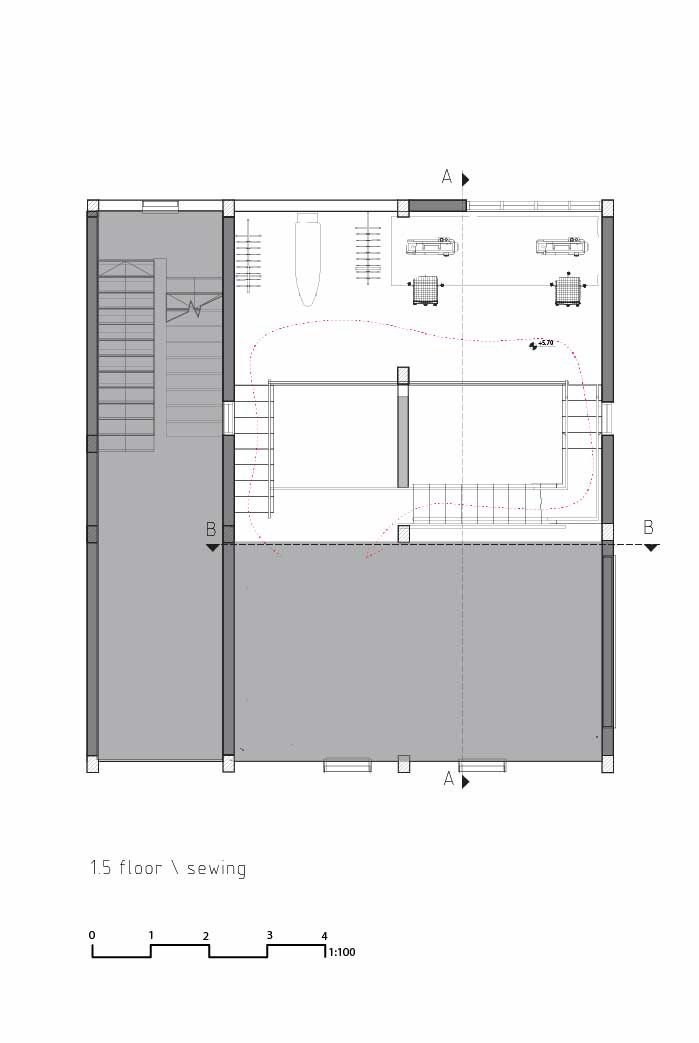
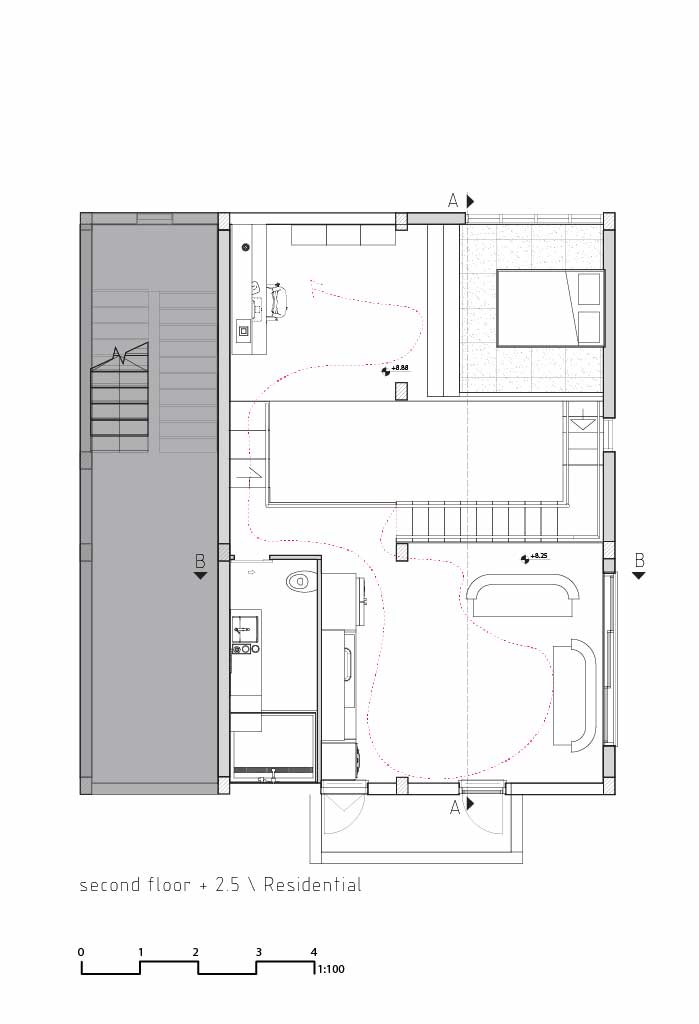
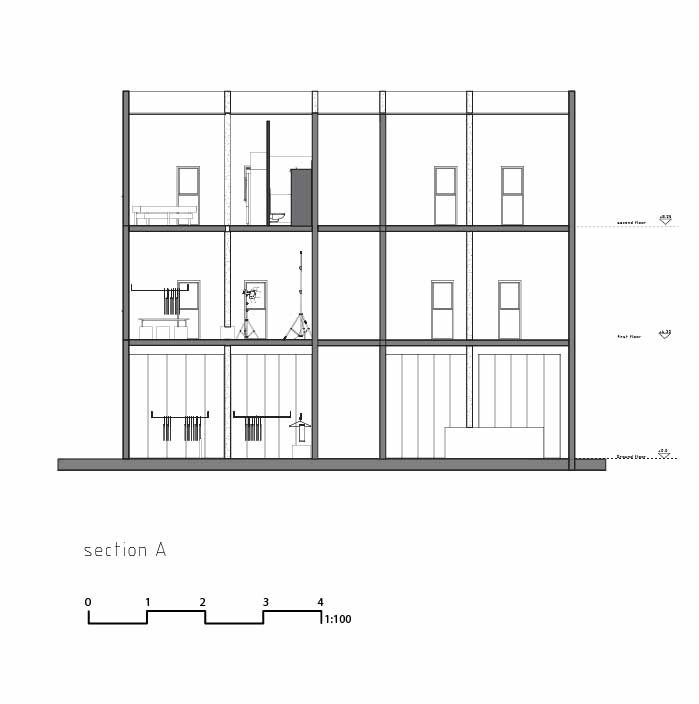
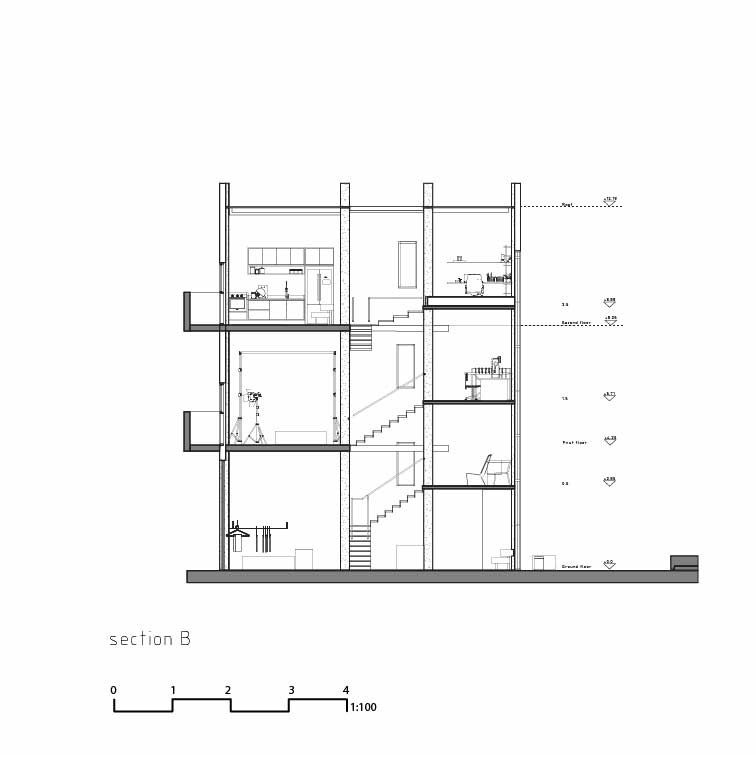
The project expanded into a complete fashion house: retail, an exhibition area for furniture and sculptural pieces, pattern-making and creative workspaces, and residential quarters. Set within a three-storey existing building, preservation requirements retained the primary eastern and northern facades as a historical framework, negotiating between preservation and transformation while establishing a new spatial identity.